Stuart will be swapping the high mountains for the ocean in an attempt to break the current 96 day record for an unsupported solo row from Europe to South America in what will be the toughest challenge of his life.
Read MoreThe "Summit to Sea Challenge" is a solo, unsupported ocean row that will test human endurance and resilience to the limit.
Starting in January 2027, Stuart Macdonald, IFGMA Mountain guide and lifetime adventurer, will take on the toughest challenge of his life, whilst at the same time raising funds for two charities close to his heart, Pancreatic Cancer UK and the Martin Moran Foundation.
Please scroll down to find out more about the challenge, the charities being supported and how you can follow Stuart's journey.
This is not just an ocean crossing. It’s a platform for storytelling, brand alignment, and public engagement.
Read more about the sponsorship opportunities and structure ranging from Title Sponsorship through to Individual Supporters by clicking on the button below.
Sponsorship Proposal
Stuart will be swapping the high mountains for the ocean in an attempt to break the current 96 day record for an unsupported solo row from Europe to South America in what will be the toughest challenge of his life.
Read More
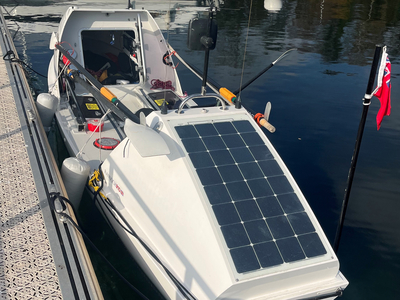
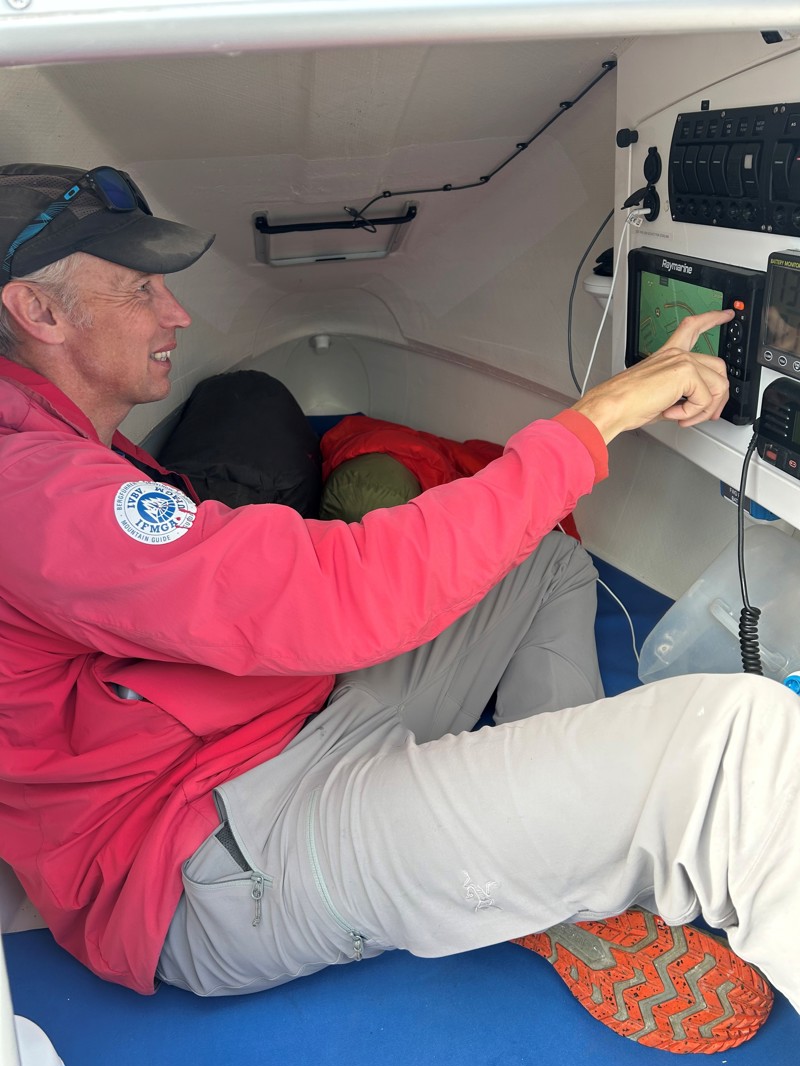
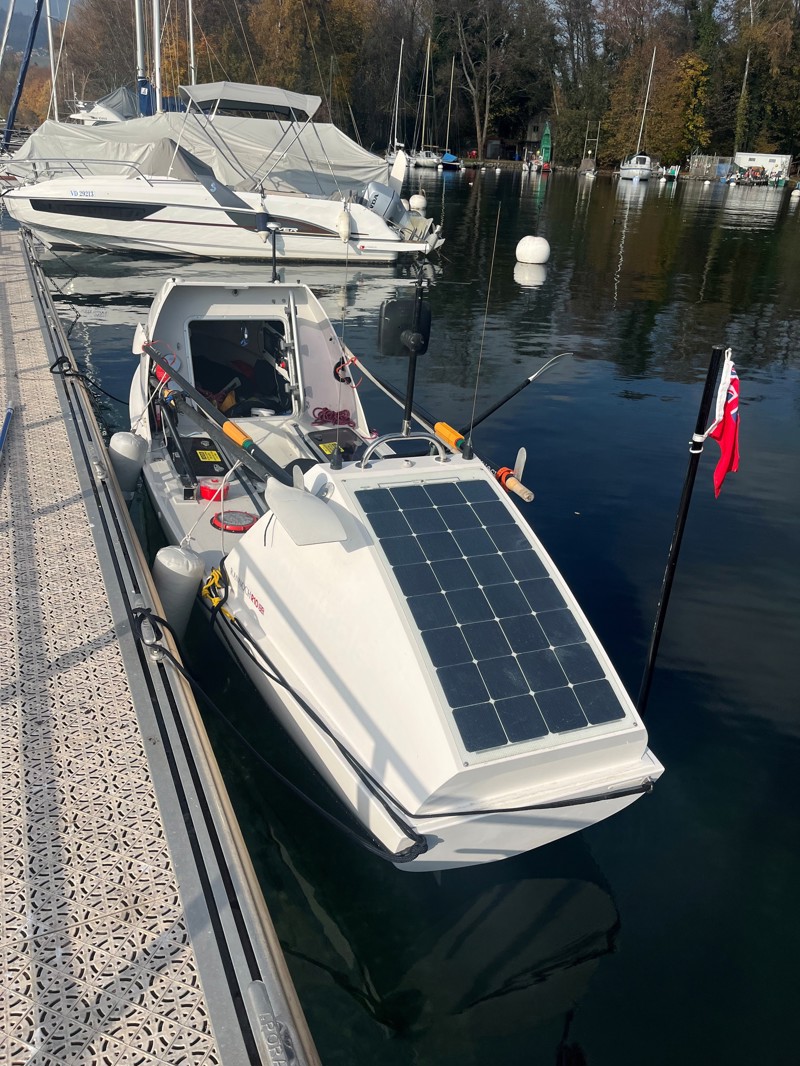
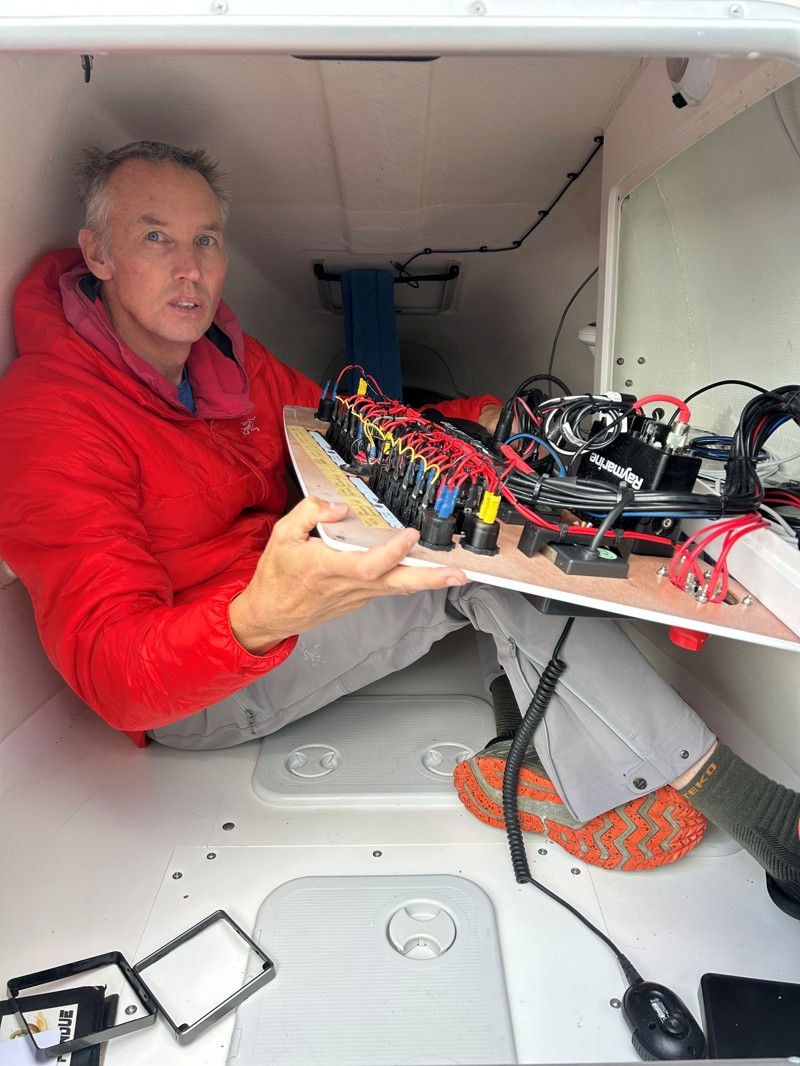
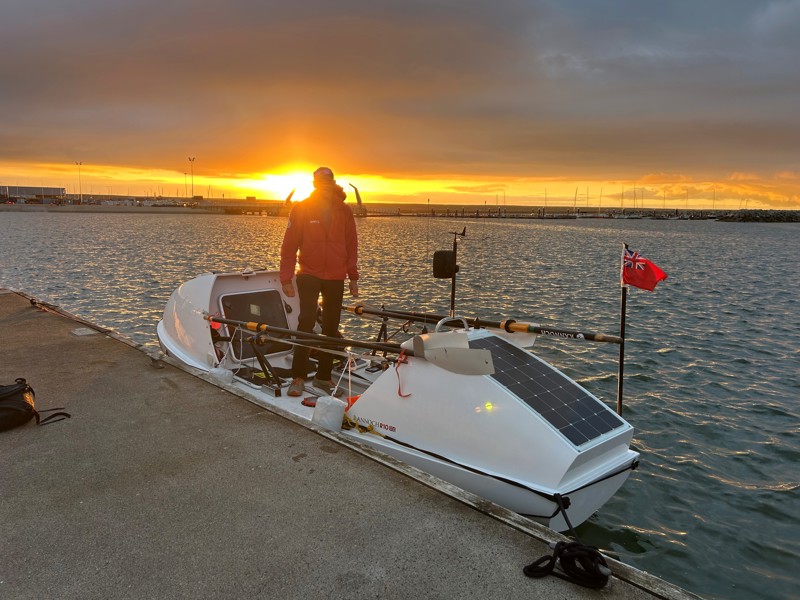
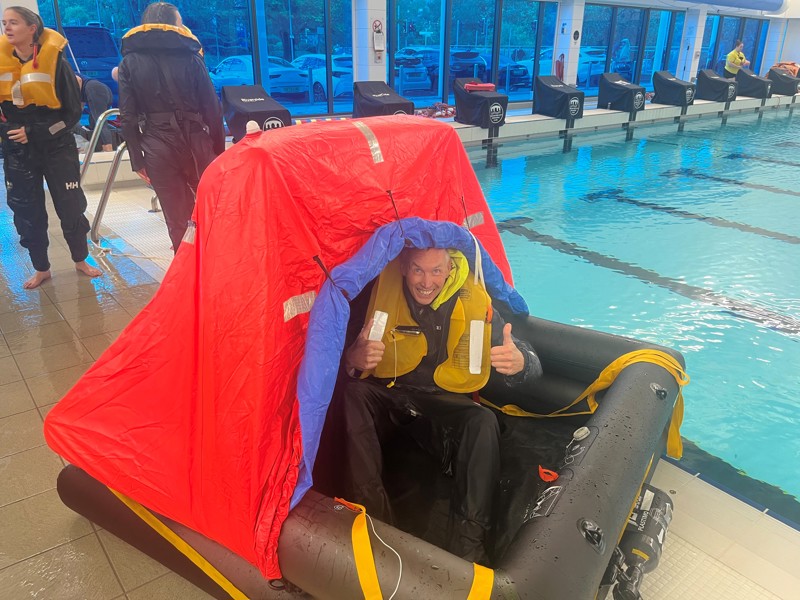
Stuart will be rowing a Rannoch 10 Solo, a small, lively, fast boat, with an Atlantic record breaking pedigree. Fully fitted with all the latest safety features and equipment, the boat is perfect for undertaking solo ocean crossings.
Read More
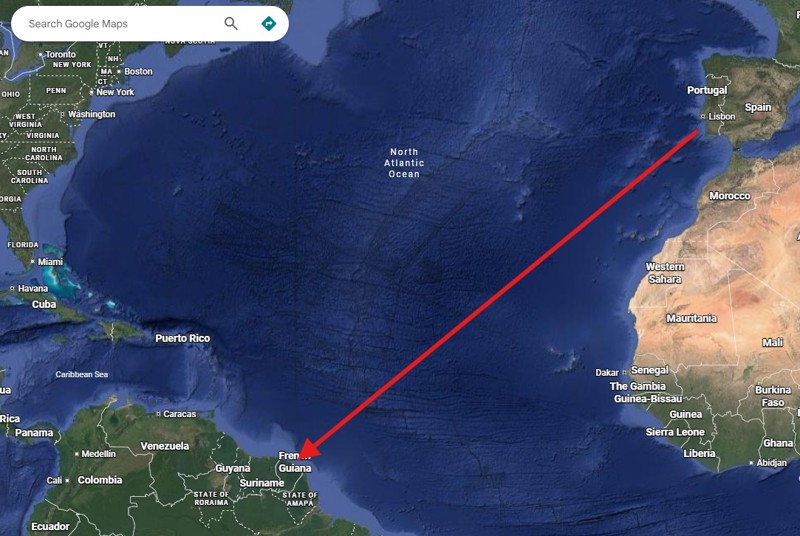
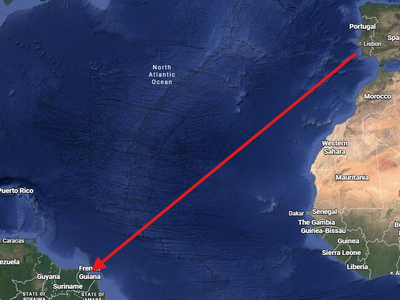
Starting from Portugal, Stuart will row the Atlantic to French Guyana in South America. The 6000 km journey will take 2-3 months. Extreme weather, huge waves and even sharks will be just some of the challenges along the way.
Read More
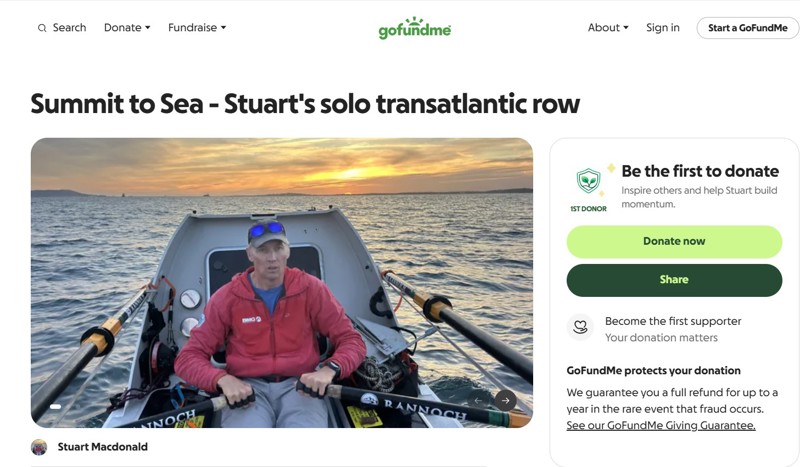
The budget for the trip is around £100,000, including the cost of the boat. Coaching, courses, training on the boat, food, shipping, travel, communications equipment and safety gear are just some of the things I have to pay for. If you are able to support the campaign, then please make a donation here
Donate to the Challenge
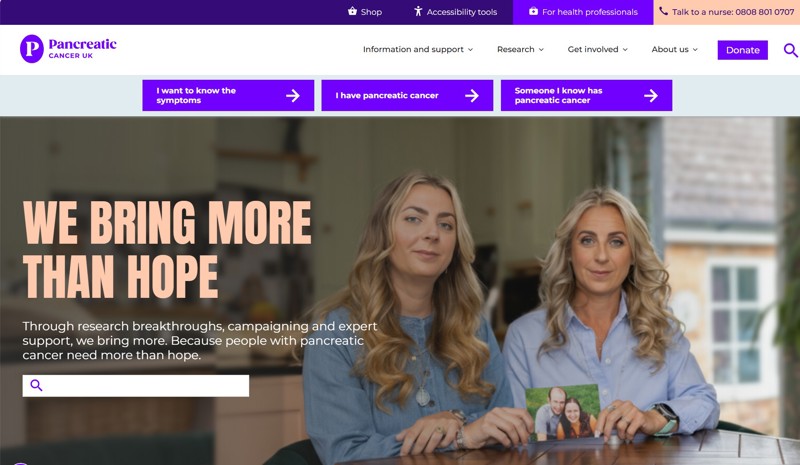
This charity is involved in research, care and advice for those suffering from pancreatic cancer. Most people diagnosed with pancreatic cancer are dead within a year. Earlier diagnosis would give more precious time with friends and family, and could even allow treatment to cure victims.
Donate to the Charity
The Foundation takes young people who would not otherwise have the opportunity and gives them fully funded mountain adventures. Martin was a mentor to me and many others when training as a Guide so I hope this will, in a small way, give something back to him
Donate to the CharityI want you to join me on this journey. Follow me as I prepare physically, mentally, and technically for this challenge. During the crossing I will be sending regular updates to this website and social media covering all the highs and the lows.
The links to my social media feeds are in the header to this page and you can read my latest news below. Once the row starts you will also be able to track my progress on a regularly updated map.
Stuart Macdonald answers your questions as to how the Summit to Sea Challenge originated, how it will be conducted, and what it is seeking to achieve.
Stuart is delighted to release details of the sponsorship opportunities linked to the Summit to Sea Challenge
Stuart has recently taken delivery of a Rannoch R10 Solo, the ocean rowing boat he will use for the Challenge
I first discovered the outdoors with youth groups as a teenager. Hiking and camping trips lead to rock climbing, and by the age of 17 I was climbing in the Alps.
Where has this idea come from ?
About 20 years ago I read a book by Jim Shehkdar. He had rowed the Atlantic with a friend and then went on to row the Pacific solo. I was really inspired by the book, but after doing some research I realised that the best time to row the Atlantic is in the winter. Winters have long been sacred for me as I've either been climbing in Scotland, or skiing in the Alps. After I began working as a Guide in the Alps I simply couldn't afford to take a season off. Reaching my 50th birthday in 2025 gave me some time to reflect about future challenges and I decided that I could now miss a season of work in order to achieve a dream. Initially I thought that 2028 or 2029 might be a good time, but as the momentum began to build I asked myself "why wait ?", and January 2027 is now the planned start date.
Why this route?
Most people who row the Atlantic go from the Canaries to the Caribbean. This takes advantage of reliable trade winds and currents to steadily help move people East to West. Starting on an island also helps as you are very quickly into strong currents. I wanted to do something a little different so I began looking for routes that weren't done so often. Hence I finally settled on continental Europe to continental South America, starting in Portugal and finishing in French Guyana.
Will it be more difficult ?
Starting on the mainland of Portugal makes things harder as you have to fight onshore winds and weaker currents to get into the more favorable seas. The route is also 1000km longer which could easily take an extra 10-14 days in itself. Combine that with the more complex currents on this route and it's going to be a much tougher experience. Crossing times are generally 50-60% slower than Canaries to Caribbean.
How long will it take ?
60-90 days is the expected duration of the trip.
What will I eat ?
Food will be three 1000 calorie freeze-dried meals per day, with another 2000-3000 calories of snacks. Snacks will be a mixture of nuts, chocolate, flapjack, biscuits, sweets, sausage and other high calorie foods.
Where will I get water ?
The boat is fitted with a desalination unit which can produce up to 30 liters of water per hour. Hopefully this means I will only need to run it for around 20 minutes per day as it uses a lot of power and I don't want to run the batteries too low.
How will I navigate ?
The boat is well equipped with modern satellite navigation aids and has an electronic chart plotter. In the event this fails I will also have paper charts, a GPS, and a compass to rely on.
Why row solo ?
There are several reasons why a solo row is appealing. Like climbing solo, there is purity in it. It's just you and the ocean. You cannot blame anyone else if it goes badly, so it is all down to you and your preparation. When I first started thinking of a big row I couldn't think of anyone I knew who would want to do it ! So if I wanted to make a team, I would have to gamble that anyone I recruited would get on well with me for months at sea in a very confined space. Having heard stories of crews falling out it seemed risky to me and I liked the simplicity of going it alone.

The Route - Portugal to French Guyana


.jpg)


Where has this idea come from ?
About 20 years ago I read a book by Jim Shehkdar. He had rowed the Atlantic with a friend and then went on to row the Pacific solo. I was really inspired by the book, but after doing some research I realised that the best time to row the Atlantic is in the winter. Winters have long been sacred for me as I've either been climbing in Scotland, or skiing in the Alps. After I began working as a Guide in the Alps I simply couldn't afford to take a season off. Reaching my 50th birthday in 2025 gave me some time to reflect about future challenges and I decided that I could now miss a season of work in order to achieve a dream. Initially I thought that 2028 or 2029 might be a good time, but as the momentum began to build I asked myself "why wait ?", and January 2027 is now the planned start date.
Why this route?
Most people who row the Atlantic go from the Canaries to the Caribbean. This takes advantage of reliable trade winds and currents to steadily help move people East to West. Starting on an island also helps as you are very quickly into strong currents. I wanted to do something a little different so I began looking for routes that weren't done so often. Hence I finally settled on continental Europe to continental South America, starting in Portugal and finishing in French Guyana.
Will it be more difficult ?
Starting on the mainland of Portugal makes things harder as you have to fight onshore winds and weaker currents to get into the more favorable seas. The route is also 1000km longer which could easily take an extra 10-14 days in itself. Combine that with the more complex currents on this route and it's going to be a much tougher experience. Crossing times are generally 50-60% slower than Canaries to Caribbean.
How long will it take ?
60-90 days is the expected duration of the trip.
What will I eat ?
Food will be three 1000 calorie freeze-dried meals per day, with another 2000-3000 calories of snacks. Snacks will be a mixture of nuts, chocolate, flapjack, biscuits, sweets, sausage and other high calorie foods.
Where will I get water ?
The boat is fitted with a desalination unit which can produce up to 30 liters of water per hour. Hopefully this means I will only need to run it for around 20 minutes per day as it uses a lot of power and I don't want to run the batteries too low.
How will I navigate ?
The boat is well equipped with modern satellite navigation aids and has an electronic chart plotter. In the event this fails I will also have paper charts, a GPS, and a compass to rely on.
Why row solo ?
There are several reasons why a solo row is appealing. Like climbing solo, there is purity in it. It's just you and the ocean. You cannot blame anyone else if it goes badly, so it is all down to you and your preparation. When I first started thinking of a big row I couldn't think of anyone I knew who would want to do it ! So if I wanted to make a team, I would have to gamble that anyone I recruited would get on well with me for months at sea in a very confined space. Having heard stories of crews falling out it seemed risky to me and I liked the simplicity of going it alone.

The Route - Portugal to French Guyana


.jpg)